Segment discovery on the factory floor, what it takes to win food & beverage
Global discovery across four hygienic zones, QA requirements translated into segment requirements and roadmap priorities.
In short
Universal Robots needed to understand what it takes to win in food & beverage. I ran global discovery with 200+ interviews on three continents and translated QA requirements per hygienic zone into segment requirements.
The result: an application overview that became the basis for prioritising the segment roadmap, and a zone map product managers use when evaluating features.
The challenge
Food factories change their requirements every ten metres. Product, QA and engineering lacked a shared picture of what an industrial digital product must survive, physically, operationally and commercially.
- Requirements differed by zone (IP69K, ATEX, IP67, IP54) and by role
- QA language and product language did not match
- Findings scattered across regions and teams
- No prioritised view for the roadmap
Universal Robots needed a solution that could:
- Define customer needs, pain points and opportunities globally
- Map requirements per hygienic zone and target group
- Give QA, product and engineering one vocabulary
- Feed the segment roadmap with evidence, not opinion
From scattered plant visits to a segment roadmap
Contextual inquiry, requirement interviews and journey mapping across plant visits in Asia, Europe and the US with 200+ operators, QA leads and plant managers, placed against the end-to-end customer journey and behavioural archetypes.
AI tightened the discussion guides and proposed clusters; recordings were transcribed in EnjoyHQ. Sampling, theming and every recommendation stayed with me.
Key value drivers
- Roadmap prioritised on evidence
- Hard and soft requirements made explicit
- Shared vocabulary across QA, product and engineering
- Reusable zone map for feature decisions
Tasks solved by the research
- Global discovery on three continents
- Requirements per zone and target group
- Journey maps and behavioural archetypes
Challenges solved
- Fragmented regional knowledge
- QA vs product language gap
- Opinion-led prioritisation
- Missing segment reference
What changed.
- PM
- Segment roadmap prioritised on the evidence
- 200+
- Operator, QA & management interviews
- 3
- Continents, Asia, Europe, US
- 4
- Regulatory zones
- ↳Application overview that became the basis for prioritising the segment roadmap.
- ↳Shared vocabulary between QA (hard/soft requirements), product and engineering.
- ↳Zone map used by product managers as the reference when evaluating features.
- ↳QA requirements now surface at Evaluate and Deploy in the customer lifecycle model.
“Sinthu is not only incredibly dedicated and detail oriented, but she also brings a positive energy to every project. Her problem-solving skills and enthusiasm make her a fantastic team player. I highly recommend Sinthu to anyone looking for a committed and talented UX researcher!”
Hygienic zones, the physical grammar of the food factory.
Every zone rewrites the requirements for an industrial digital product. Tap through them.
High-pressure washdown, chemical exposure, worker safety in damp environments.
The instruments behind the findings.
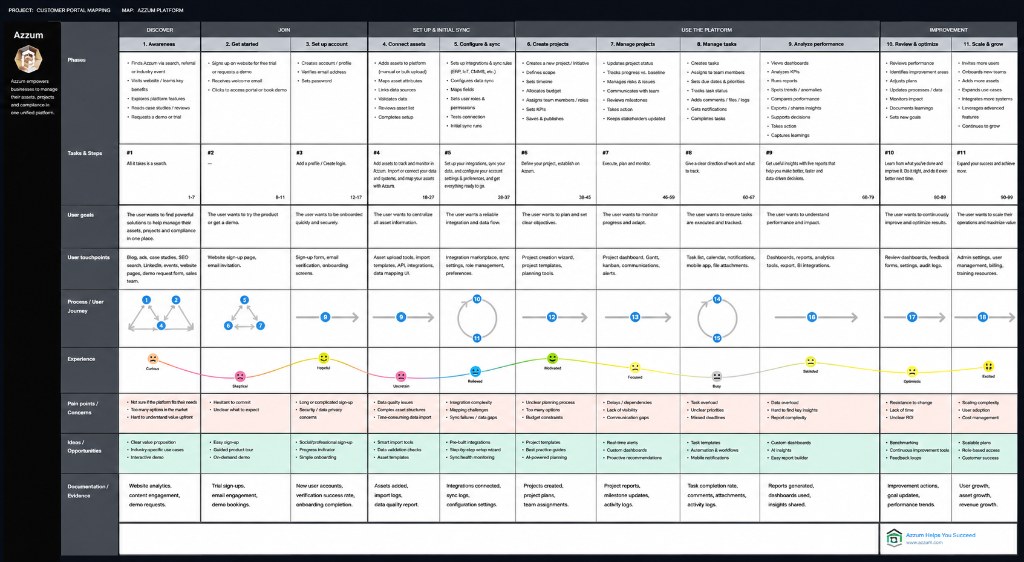
The journey-map format used in the UR research programme (anonymised). Food-industry findings were placed against these lifecycle stages.
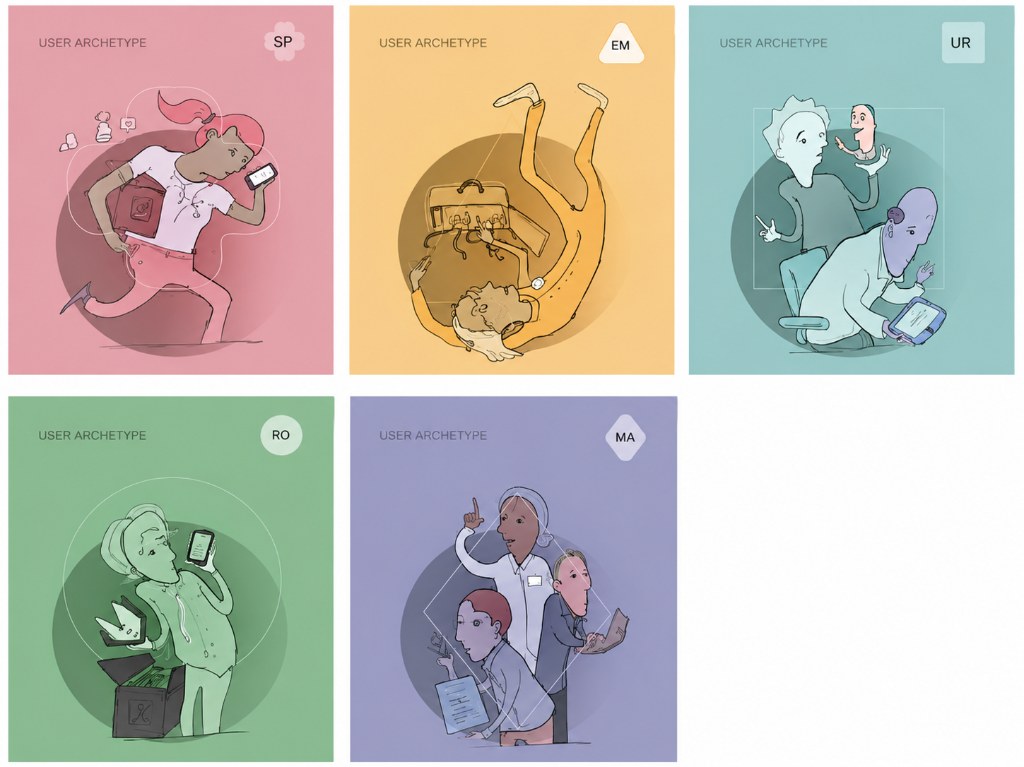
Behavioural archetypes from the UR insights programme, the same archetype could sit in a wet zone or a palletising cell.
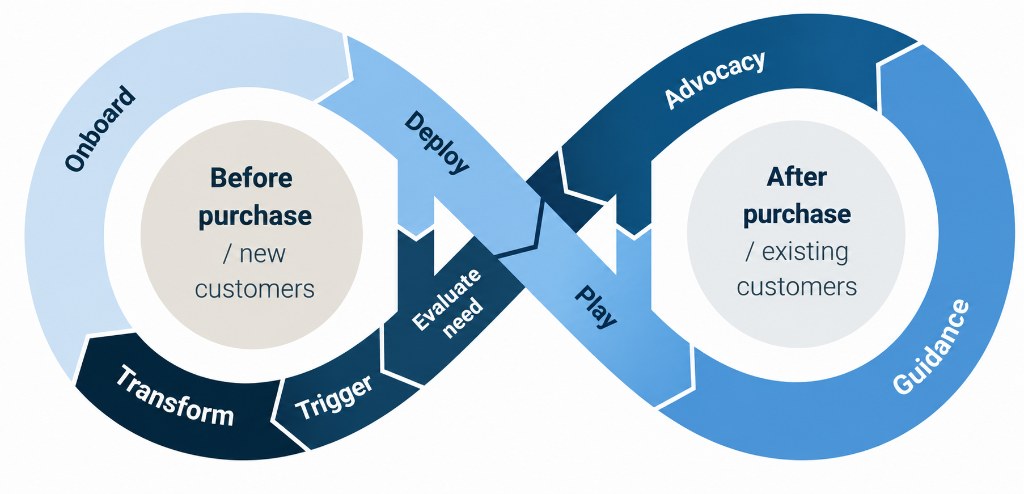
Onboard → Deploy → Play → Guidance → Advocacy. Food-industry QA requirements surfaced at Evaluate and again at Deploy.
UR Customer Experience, Insights & Research programme artefacts, shown in anonymised form. Plant-visit photos are under NDA.
What I’d do differently.
Next time: a synchronous decision-mapping session with QA leads earlier, it would have compressed the requirements phase by weeks.